When Communication Feels Dangerous, People Stop Talking.

If telling you the truth feels dangerous, people eventually stop telling you the truth.

This happens in relationships. It happens in boardrooms. And it happens far more often than we realise.

What looks like poor communication may actually be two people processing information differently, feeling misunderstood or protecting themselves from conflict.

For neurodivergent individuals, differences in processing time, attention and communication styles can make these situations even harder.

Before you judge someone’s response, get curious.

Try asking: “What would help us communicate better?”

Sometimes, a little more understanding can change the entire conversation.

Because effective communication isn’t just about what we say. It’s about whether the other person feels safe enough to be heard.

If this resonates with you, I’d love to hear your thoughts.

1views

You may also like

Supporting staff means supporting the whole person
01:36
Your staff don’t stop being human when they walk into work. People ...
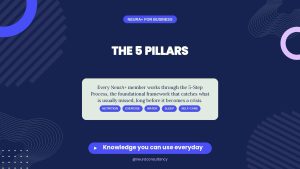
The Five Pillars of Mental and Physical Wellbeing
Your mental and physical health are not separate—they influence each ...
The Strategy That Changed My Business
What can happen when confidence, strategy and the right support come ...
The Advice I Didn’t Know I Needed
The support you need at the beginning of your journey isn’t always the ...
What’s the Worst That Can Happen?
Sometimes the biggest change starts with one question: “What’s the ...
The Biggest Shift Was Boundaries
You can understand that you need boundaries — and still find it ...
I Finally Understood What Was Really Happening
Charlotte shares how she went from feeling lost and overwhelmed to ...

Article by Diane Alexander

Diane Alexander is a BACP-accredited psychotherapist, EMDR practitioner, executive coach, registered clinical supervisor and Master Practitioner in Neurodiversity. With more than 25 years’ experience, Diane works with individuals, couples, entrepreneurs and professionals experiencing relationship difficulties, trauma, anxiety, burnout, emotional overwhelm and the pressures associated with neurodivergence. Her approach is compassionate, practical and tailored to the individual. She helps clients understand the patterns affecting their wellbeing and relationships, develop greater emotional regulation and create sustainable change. "Everyone has the potential to lead fulfilling lives and i am committed to helping individuals achieve that desire"